Yoga and stress: why your body finds it hard to relax
We often think stress is all in the mind.
Stress can affect both your body and your emotions.
Raised shoulders.
A clenched jaw.
Shallow breathing.
A tense stomach.
Stress is not only a feeling in your mind.
It is a physiological response.
Today, many people experience almost constant tension.
Why can it be so hard to relax?
Our nervous system is designed to respond to danger.
This response can also be triggered by different situations:
- A real danger
- An excessive workload
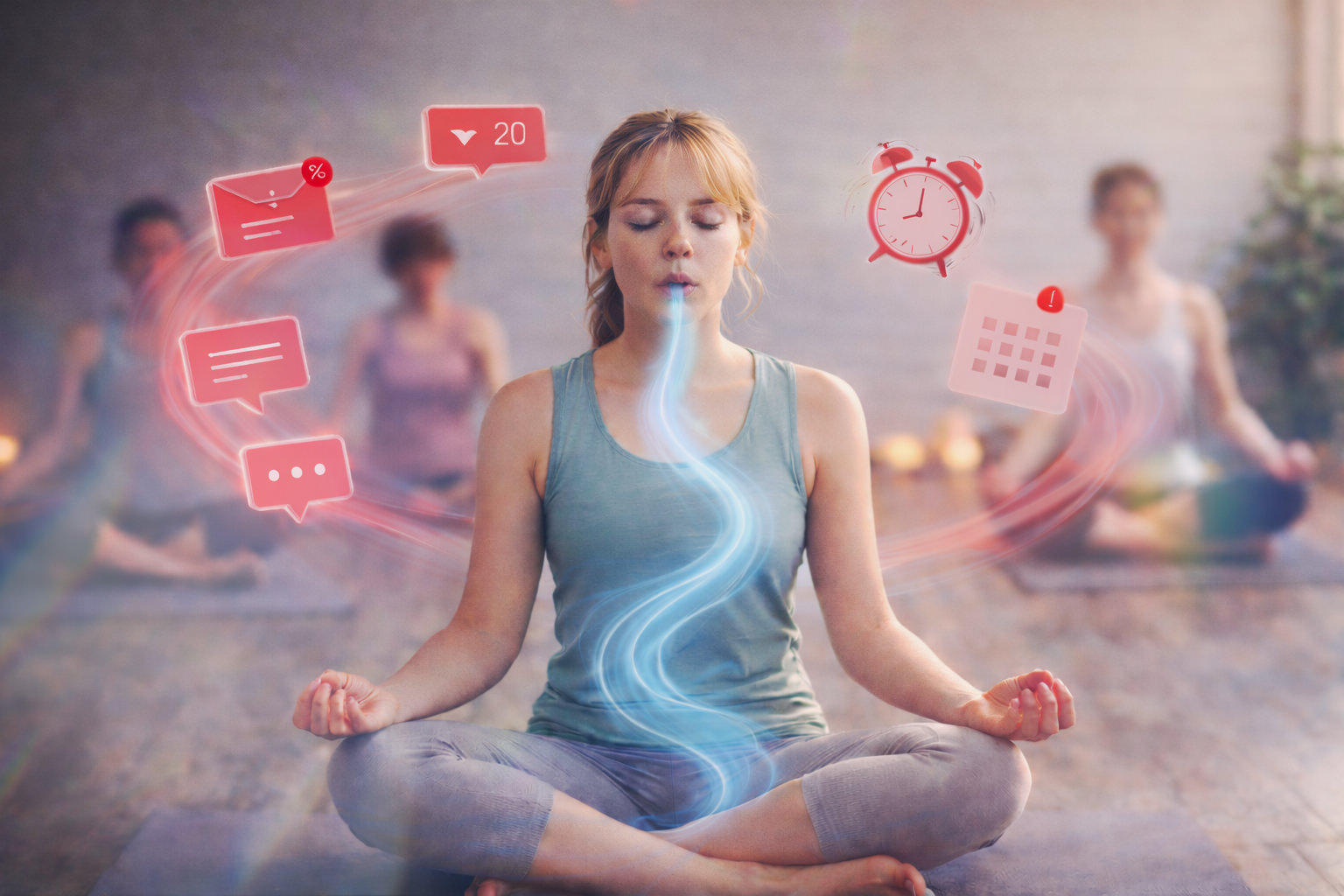
- Constant notifications
- Family responsibilities
- A lack of time
The result?
Your body stays on alert.
Even in the evening.
Even at the weekend.
Even on holiday.
Signs that your body may be experiencing ongoing stress
You may recognise these signs:
- Tension in your neck or back
- Difficulty sleeping
- Persistent tiredness
- Unusual irritability
- High, rapid breathing
It is not a lack of willpower.
These signs can accompany stress, but they can also have other causes.
How yoga can help with stress
Yoga is more than a series of postures.
It combines movement, breathing and attention, and may help you manage stress.
1. Deep breathing
Slow, controlled breathing can encourage the body’s relaxation response.
A few minutes of calm breathing can offer a pause. Effects vary from person to person and are not always immediate.
2. Slow, mindful movement
Unlike very intense activities, gentle yoga can send a calming message to the brain:
“Everything is fine. You can let go.”
Your body can gradually learn to move out of alert mode.
3. Being present in the moment
Focusing on physical sensations can help interrupt repetitive thoughts.
We come back to the present.
And stress may begin to loosen its grip.
How a studio can support relaxation
Practising on your own can help.
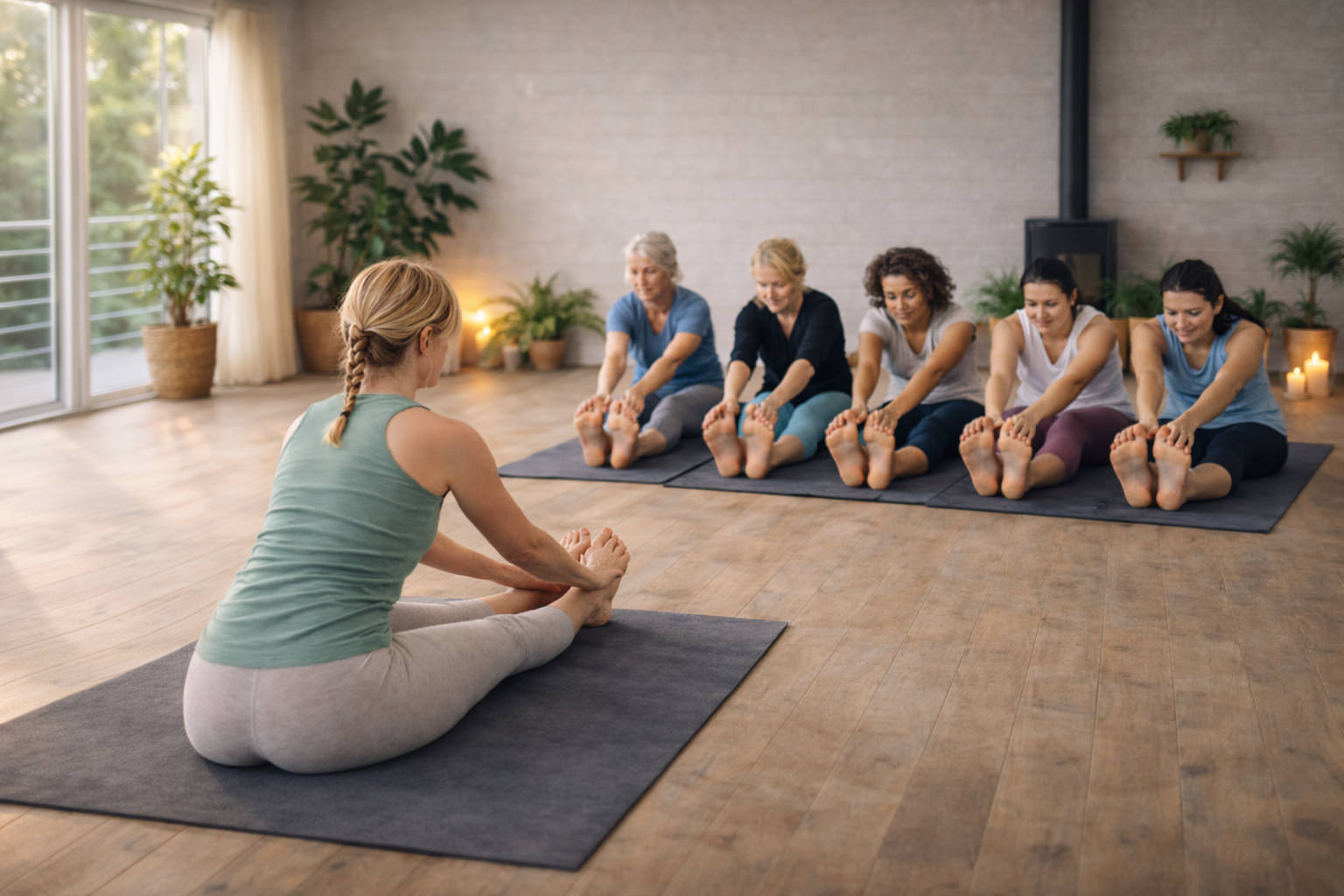
A class in a calm studio and a small group can help create space to relax.
The atmosphere, the guided pace, breathing together…
Everything helps create a space to unwind.
For many people, a yoga class becomes a welcome pause between a busy day and the rest of the week.
A moment for yourself.
No need to perform.
No pressure.
How long does it take to notice a difference?
Sometimes, you may feel more relaxed after the very first class.
Regular practice can bring changes over time:
- Deeper sleep
- Less physical tension
- Better emotional regulation
- An overall sense of balance
Your body can learn to relax more easily.
Yoga as part of looking after yourself
We brush our teeth every day.
We shower regularly.
We often forget to look after our nervous system.
Yoga can become part of your everyday wellbeing.
A space to:
- Let go
- Breathe
- Slow down
- Reconnect
In a fast-moving world, that is an almost radical choice.
In a few words
If it feels as though your body has forgotten how to relax, things can change.
Stress is not a weakness.
It is an automatic response.
Yoga can help your body discover a different response:
releasing tension.
Sometimes, even an hour a week can make a meaningful difference to everyday life.
Further reading: Yoga: effectiveness and safety, an overview from NCCIH.